
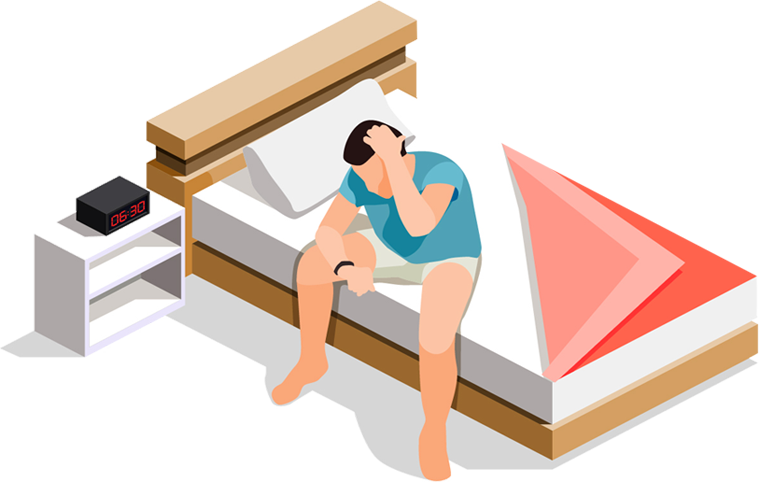

Chandan had been feeling very different this semester. A lot of things seemed to be weighing him down. He found himself worrying about his assignments, his parents back home, what his classmates thought of him, and whether he would be able to cope with everything that was being demanded from him. He found it difficult to sleep and would often feel like he had 'butterflies in his stomach'.
Unlike his usual self, he had been easily lashing out at others and avoiding meeting his friends. All this worrying had started affecting his concentration and then his grades too, which only made him feel worse.
InitiationThough most of us feel anxious at times, some of us may find ourselves being quite preoccupied with this feeling. That can become quite overwhelming, like it was for Chandan.
Let us understand when anxiety can be something you can deal with, and when it requires you to seek help.
As a student, you may come across many potentially anxiety provoking situations such as project deadlines, class presentations, exams, job interviews, meeting new people, having to make friends, and balancing various roles. Feeling anxious is a very natural response in such circumstances.
Although difficult, such brief experiences of anxiety quickly pass after the event has ended and are a part of our everyday life.
However, it can be exhausting if you end up feeling anxious most of the time even after the event has ended or long before it has even begun. If your nerves are becoming an obstacle in everything you do such as when concentrating, when trying to relax,
while having fun, meeting with friends, etc., it might be a good idea to seek help.
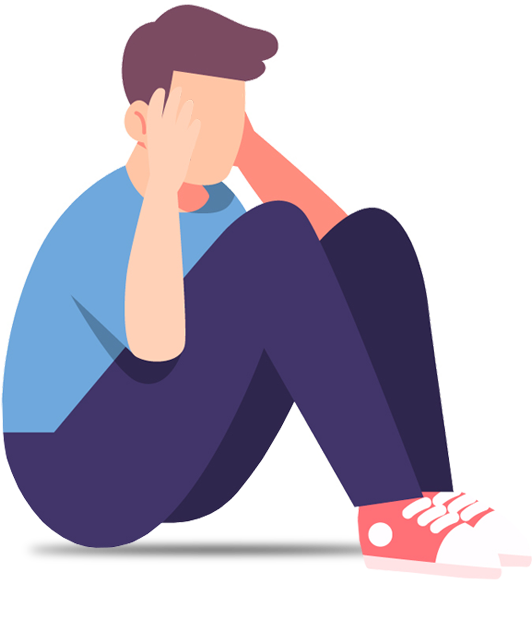
When under stress, it is natural to do things that will help us feel better for the time being. These could include procrastinating, working excessively, using the mobile and social media for long periods, drinking, avoiding the situation etc. However, these strategies aren’t as effective in the long run and thus, can make us feel more anxious in the future. They also prevent us from truly understanding what is leading to our distress. Gradually bringing such behaviours to our awareness can help us keep them in check.
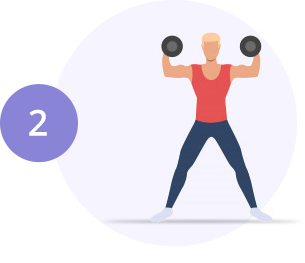
Exercise (in moderation) is known to be a very effective natural stress reliever.
An effective way to deal with the body's responses, like rapid breathing, increased heart rate and tense muscles, is to practice relaxation techniques. You can begin by paying attention to how you experience anxiety in your body (Do you start feeling breathless? Feel intense ‘butterflies’ in your stomach? What are the initial signs?) Recognizing these early signs in your body to initiate self-relaxation before anxiety builds up and becomes too much.
Know more
Constantly thinking about things that have happened in the past or worrying about future events often makes us feel worse. Mindfulness, i.e. bringing awareness to the present moment then, can be immensely helpful. Know more about mindfulness.
Anxiety is often triggered and made worse by our thoughts and beliefs.
Example: if you believe that 'I'm definitely going to say something wrong and then others will think I am stupid', participating and speaking up at social events is going to be that much harder. Additionally, you will scrutinize yourself more harshly and feel worse. By becoming aware of our self-talk, we can recognize our unhelpful thoughts and seek professional help to modify them. Use this sheet to know more about such unhealthy thoughts.
Thinking Errors - WorksheetOnce I have noticed signs of anxiety, I will:

It is possible that you've tried different things but haven’t found anything that actually helps you. When the emotions get overwhelming or when you are simply confused about what is happening to you, talking to a counsellor at the Student Wellness Centre could give relief and provide guidance about what you can do. If you are finding it difficult to get in touch with the Student Wellness Centre by yourself, you can ask a friend to help you do that.