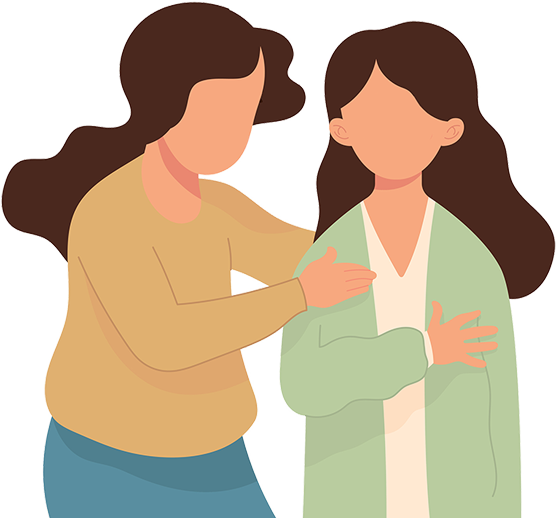

As the mid sems approached, Aarti found it increasingly difficult to sleep or eat well. She was having frequent headaches and would often feel irritated and low. She had been trying to prepare for the exams but thoughts like 'I'll never be able to get through this work', 'I'm going to fail', 'Everyone is doing so much better than me', would bother her. With each passing day, she would feel more and more anxious, which would in turn affect her ability to focus and study.
InitiationThe exam period is an inherently stressful situation. Other than the expectation to be able to recall a vast amount of information, there are factors such as the intense competition on campus, the pressure of expectations from family and friends and the immense importance placed on grades, all of which add to the stress students face during this time.
An excess amount of exam stress can actually interfere with one’s learning process and make studying hard, which in turn, can affect your grades. Thus, one can become stuck in a negative loop of sorts, just like Aarti.
However, there are several things that you can keep in mind while preparing for an exam, or during ongoing exams and post-exams, to ensure that you do not get stuck in such a loop.
While junk food helps feel better temporarily, it also leads to reduced metabolism, causing fatigue and lethargy. Aim for a balanced diet don't miss meals and stay hydrated
When well-rested, you are more likely to return to your preparation refreshed and better remember what you’ve read. Here are some resources to aid your sleep.
More
Engaging in at least 15-20 minutes of some sort of physical activity can refresh your body and mind.
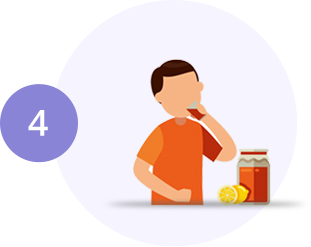
Substances like caffeine, nicotine, and alcohol act as stimulants that induce stress rather than reducing it. Find healthier alternatives you can turn to instead like green tea, fruit or vegetable juices etc.
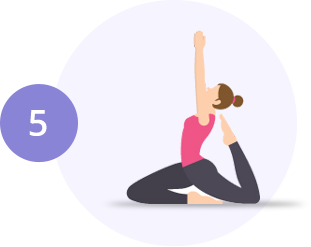
Figure which relaxation technique works best for you and invest time in practicing the same. Effective relaxation techniques not only help improve well-being but also help greatly during moments of distress.
More
Taking guilt-free breaks is as important as studying. Sports, running, social activities, music, spiritual activities, journaling, painting, other hobbies; find out what helps you unwind.
Gathering all the information you need regarding topics, dates, resources in advance can save some last-minute nerves!
Decluttering your physical space and creating a studying atmosphere, which is similar to the one in which you will take the exam, is known to help.
While it may not always be possible, following a pre-decided routine helps to feel more in control. Obtaining a realistic estimate about how long you will take to complete your work and accounting for the same can be beneficial.
Our thoughts impact the way we feel. What are some of the words you are using when thinking/talking about your exam taking abilities? Notice if they are too harsh, too critical or unrealistic. Check for evidence against these thoughts. Come up with alternative thoughts that are more self-compassionate and realistic about possible outcomes.

Avoid skipping meals and while all-nighters might be tempting, get at least some sleep before a paper.
Figure what you will need on the exam day and organize it the night before.
When you're dealing with your own anxieties, talking to someone else who is also feeling very overwhelmed just before a paper may make you both feel worse. Focus on doing things to make yourself feel calmer (like listening to calming music).
Journaling or writing down your worries, doubts, and thoughts is known to help and make it less likely to affect you during important moments. If you’re feeling overwhelmed, just type something out on your phone or scribble it out on a piece of paper .
If you sense yourself getting worried as you sit for your paper, take a moment, use your breath to calm down. Breathe in and out to the count of 3 and repeat till you feel better.
During the exam, work on questions you know well first.
Avoid focusing on what others are doing.

As tempting as it may be, avoid discussing the papers and answers with your friends once it's done.
Avoid comparing yourself with others. Everyone has their own journey.
Reward yourself for your hard work!
Continue to look after yourself
Go on with your regular routine of classes, assignments as before. Regret or anxiety about the exam that just ended should not interfere with your chances of improving in the next (e.g preparing for end-sems even though mid-sems did not go up to expectation.)
Take up some hobbies. Engage in the activities you enjoyed but didn’t have enough time for before.
Spend quality time with your friends and family.
Again, identify your thoughts about the exam and results. When we are stressed, we tend to start believing only the worst-case scenario (I am going to fail this exam and my life will be over); label ourselves (I’m such a failure); generalise our experiences (I never pass tests); start assuming what others are going to think (Everyone is going to think I'm stupid); and have many other such thoughts.
Once you've identified these, assess the accuracy of the same. Look for evidence for and against these ideas. What would you say to a friend if they had the same thought? What’s the worst that could happen? How could you cope if it really did happen? Put together a more accurate possibility.
Also, remember
Treat an exam that hasn't gone well as a learning experience.
Even though it may not seem like it right now, your exams are not everything. They do not solely determine your path.
You are much more than your exam result.
You have already done well (cracked the JEE!) and are studying in a prestigious institute. Even if this exam doesn't go well, it does not discredit everything you have done so far. Give yourself credit for how far you’ve come.