

Samir had been injuring himself at times where he felt extremely overwhelmed and nothing seemed to be helping his state of mind. While self-harm helped him in dealing with the terrible episodes, he would then have to take extra measures to ensure no one noticed. He would always wear long sleeves to hide the scars
Once when his friend saw an injury and asked him about it, he said he had accidentally hurt himself. But eventually, Samir felt like he could trust his friend and confided in him. They together approached the SWC and Samir has since been working on finding other coping strategies and feeling better.
Non-suicidal self-harm is when someone deliberately harms their own body. The reason / intent for self-harming though is not ending one’s life but pertains to other emotional reasons, primarily, it being a means to cope with overwhelming distress.
Although self-harm provides some temporary relief, it causes a lot more concerns in the long-run. If you’re harming yourself, you may also experience shame and guilt about the same. Additionally, it can be very difficult to talk about self-harm to others in your life. This can have an impact on your relationships and leave you feeling isolated. Importantly, you may end up hurting yourself badly, even without meaning to.


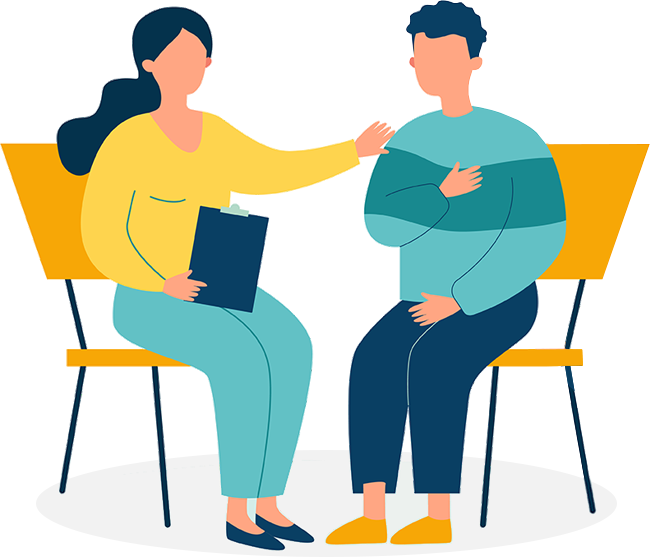
Know that you don’t have to do deal with these intense emotions alone. The Student Wellness Centre is a safe, non-judgmental space for you to get support.
While it takes a lot of courage and determination, you and your counsellor can together find healthier coping strategies that work for you. Talking to a counsellor could give relief and provide guidance about what you can do. Remember, reaching for help is not a sign of weakness; rather, it can be empowering.
Also, your parents are just a phone call away. Don’t hold back from contacting them even if you just want to unburden!